
How to Choose the Best Optic for Your Hunting Rifle
Posted by Mandu Moses on Mar 13th 2026
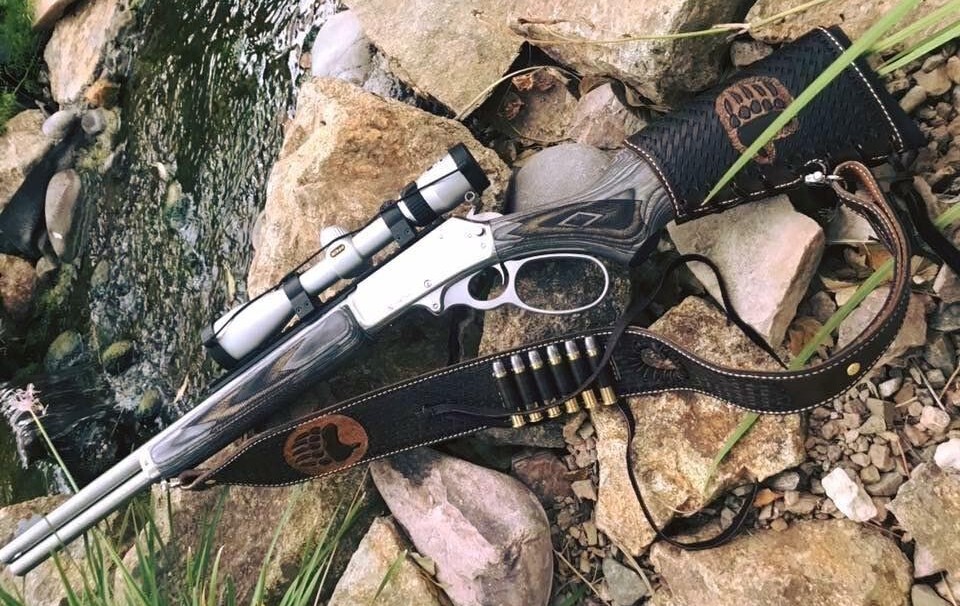
Credit: Daniel.mckelvy
Choosing the best optic for your hunting rifle is a critical decision that can significantly impact your success in the field. Whether you're a seasoned hunter or a beginner, the right optic can make the difference between a clean, ethical shot and a missed opportunity.
With a variety of options available, including rifle scopes, red dot sights, and LPVO (Low Power Variable Optics), choosing the perfect optic can be overwhelming. This guide will walk you through the essential factors to consider, including magnification levels, reticle types, lens coatings, and durability.
Types of Optics
Before choosing an optic, it's essential to understand the different types available and their ideal applications.
1. Traditional Rifle Scopes
Best for: Long-range hunting and precision shooting
Rifle scopes are the most common optics used for hunting and come in various magnification ranges, from fixed power to variable power scopes. They feature a reticle that aids in aiming, with options like duplex reticles, BDC (bullet drop compensator) reticles, and MOA (Minute of Angle) reticles.
2. Red Dot Sights
Best for: Close-range hunting and fast target acquisition
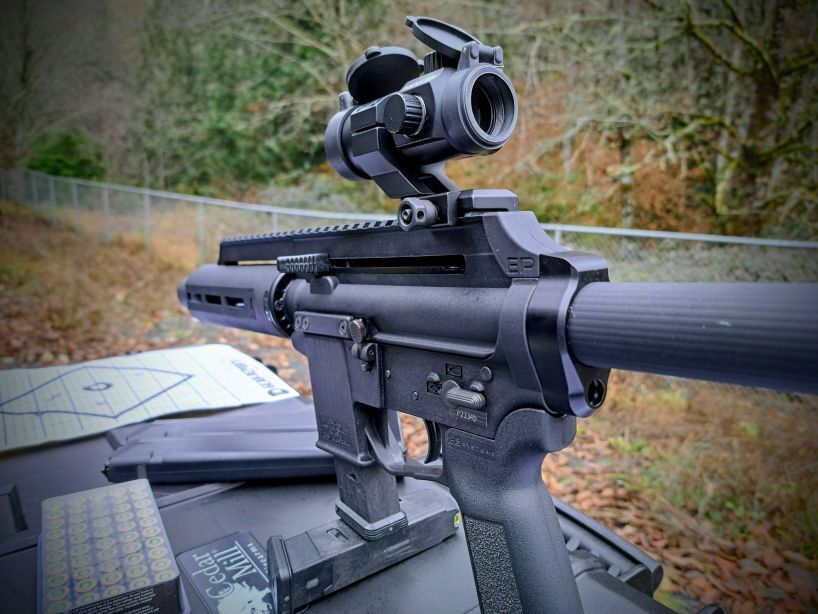
Red dot sights provide a simple illuminated aiming point without magnification. They are excellent for fast-moving targets like hogs or turkey hunting where quick reactions are necessary.
3. Low Power Variable Optics (LPVO)
Best for: Versatility between short and medium-range hunting
LPVOs allow hunters to switch between 1x magnification for close-quarters shots and up to 10x magnification for mid-range precision. They’re a favorite among modern hunters who want flexibility.
4. Night Vision & Thermal Scopes
Best for: Predator and hog hunting at night
If you hunt nocturnal game, night vision scopes or thermal imaging optics will provide visibility in complete darkness. Thermal optics detect heat signatures, making them effective in low-visibility conditions.
Understanding Your Hunting Needs
Before diving into the specifics of rifle scopes and other optics, it's essential to understand your hunting needs. Different types of hunting require different optics. For example, the best optics for deer hunting might not be the same as those for elk hunting or long-range varmint hunting.
Types of Hunting and Corresponding Optics
-
Big Game Hunting (Deer, Elk, Moose): For big game hunting, you'll need a scope with good magnification (typically 3-9x or 4-12x) and a durable build to withstand harsh conditions. Look for scopes with a wide field of view and excellent light transmission for low-light conditions.
-
Small Game Hunting (Rabbit, Squirrel): For small game, a lower magnification scope (1-4x or 2-7x) is usually sufficient. These scopes are often lighter and more compact, making them easier to carry in dense brush.
-
Long-Range Hunting (Varmints, Predators): Long-range hunting requires scopes with higher magnification (10x and above) and precise turret adjustments for windage and elevation. Look for scopes with parallax adjustment and high-quality glass for clarity at long distances.
-
Low-Light Hunting (Dawn, Dusk): If you often hunt during dawn or dusk, consider scopes with excellent light-gathering capabilities. Look for scopes with large objective lenses (50mm or more) and multi-coated lenses to maximize light transmission. Modern options such as night viewers and thermal scopes do well here.
Key Features to Consider When Choosing a Hunting Optic
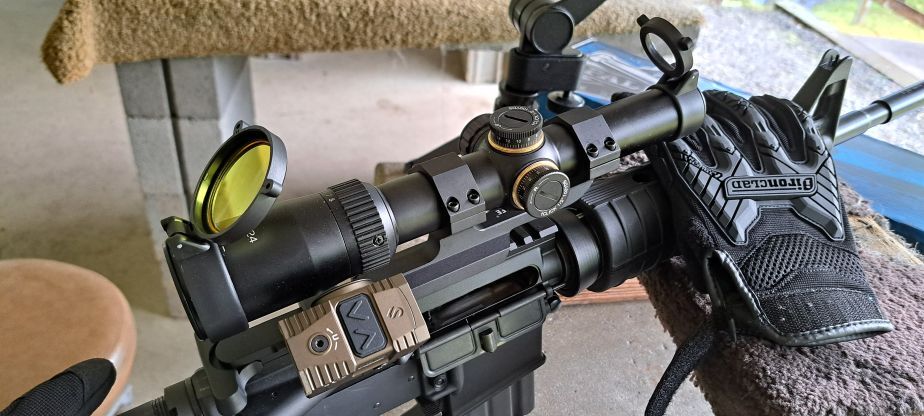
1.Magnification
Magnification is one of the most critical factors to consider when choosing a hunting optic. The right magnification depends on the type of hunting you'll be doing.
-
Low Magnification (1-4x): Ideal for close-range hunting in dense brush or forests. These scopes offer a wide field of view, making it easier to track moving targets.
-
Medium Magnification (3-9x): Versatile and suitable for most hunting scenarios, including big game hunting. These scopes offer a good balance between field of view and magnification.
-
High Magnification (10x and above): Best for long-range hunting where precision is crucial. However, higher magnification scopes often have a narrower field of view, making it harder to track fast-moving targets.
2. Objective Lens Size
The objective lens is the lens at the front of the scope, and its size determines how much light can enter the scope. A larger objective lens allows more light, which is beneficial in low-light conditions. However, larger lenses also add weight and bulk to the scope.
-
Small Objective Lens (32mm or less): Lightweight and compact, ideal for hunters who need to move quickly through dense terrain.
-
Medium Objective Lens (40-44mm): Offers a good balance between light transmission and weight, suitable for most hunting scenarios.
-
Large Objective Lens (50mm or more): Excellent for low-light conditions but can be bulky and heavy.
3. Lens Quality & Coatings
The quality of glass clarity and lens coatings affects light transmission and image sharpness.
-
Fully Multi-Coated: Offers maximum clarity and glare reduction
-
Anti-Fog & Waterproof Coatings: Essential for hunting in varying weather conditions
-
HD or ED Glass: Enhances color fidelity and contrast
4. Reticle Type
The reticle, or crosshair, is another crucial factor to consider. Different reticles are designed for different hunting scenarios.
-
Duplex Reticle: The most common type, featuring thicker lines on the outside that taper to thinner lines in the center. Ideal for quick target acquisition.
-
Mil-Dot Reticle: Features dots along the crosshairs that help estimate range and compensate for bullet drop. Suitable for long-range hunting.
-
BDC (Bullet Drop Compensator) Reticle: Designed to compensate for bullet drop at various distances, making it easier to make accurate shots at long range.
-
Illuminated Reticle: Features illuminated crosshairs, making it easier to see in low-light conditions. Ideal for dawn, dusk, or night hunting.
5.Eye Relief
Eye relief is the distance between your eye and the scope's eyepiece that allows you to see the full field of view. Adequate eye relief is crucial for comfort and safety, especially when using high-recoil rifles.
-
Short Eye Relief (Less than 3 inches): Common in older or lower-quality scopes. Not ideal for high-recoil rifles as it can cause "scope eye" (injury from the scope hitting your eye during recoil).
-
Long Eye Relief (3.5 inches or more): Provides more comfort and safety, especially with high-recoil rifles. Ideal for hunters who wear glasses.
6. Durability and Weather Resistance
Hunting often involves harsh conditions, so it's essential to choose a scope that can withstand the elements.
-
Waterproof and Fog-proof: Look for scopes with O-ring seals and nitrogen or argon purging to prevent moisture from entering the scope.
-
Shockproof: A shockproof scope can withstand the recoil of high-powered rifles without losing zero.
-
Durable Construction: Scopes with aircraft-grade aluminum or other robust materials are more likely to withstand rough handling in the field.
7. Turret Adjustments
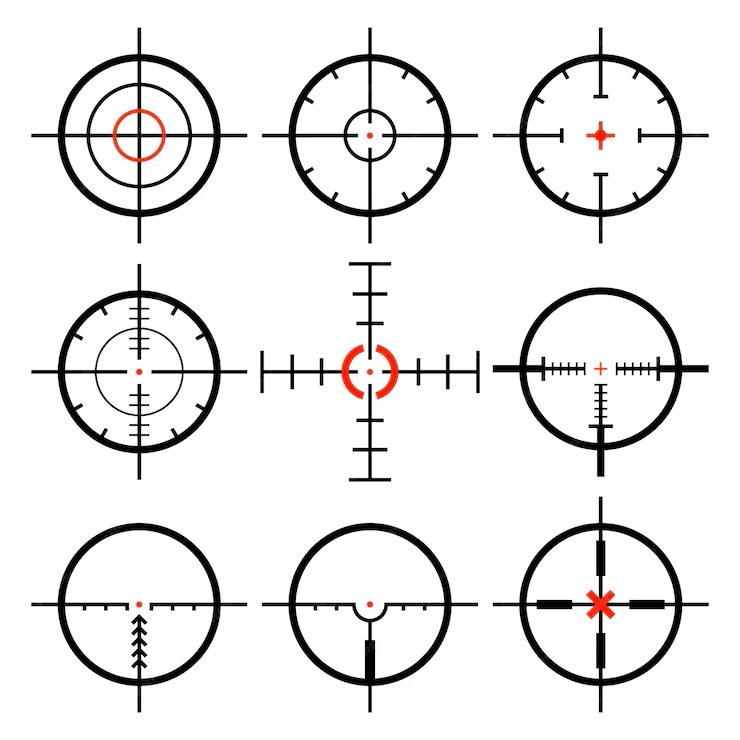
Turret adjustments allow you to fine-tune your scope's windage (horizontal) and elevation (vertical) settings. Some scopes feature exposed turrets, while others have capped turrets.
-
Exposed Turrets: Easier to adjust on the fly, ideal for long-range hunting where you may need to make quick adjustments.
-
Capped Turrets: More protected from accidental adjustments, suitable for hunters who set their scope once and don't need to make frequent changes.
8. Parallax Adjustment
Parallax occurs when the reticle appears to move relative to the target when you move your head. This can affect accuracy, especially at long ranges. Some scopes feature a parallax adjustment knob that allows you to eliminate parallax error.
-
Fixed Parallax: Typically set at 100 yards, suitable for most hunting scenarios.
-
Adjustable Parallax: Allows you to adjust for parallax at different distances, ideal for long-range hunting.
9. Brand and Price
While it's tempting to go for the cheapest option, investing in a high-quality scope from a reputable brand can make a significant difference in performance and durability.
-
Budget Scopes: Suitable for casual hunters or those on a tight budget. However, they may lack some of the features and durability of higher-end models.
-
Mid-Range Scopes: Offer a good balance between price and performance, suitable for most hunters.
-
High-End Scopes: Feature the best glass, construction, and additional features like illuminated reticles and advanced turret systems. Ideal for serious hunters or those who hunt in challenging conditions.
Scope Mounting Tips
Once you've chosen the perfect optic for your hunting rifle, proper mounting is crucial to ensure optimal performance. Here are some tips for mounting your scope:
-
Choose the Right Mount: Ensure that the mount is compatible with your rifle and scope. There are various types of mounts, including Picatinny, Weaver, and dovetail mounts.
-
Level the Scope: Use a scope leveling tool to ensure that the scope is perfectly level with the rifle. This is crucial for accurate shooting.
-
Torque the Screws: Use a torque wrench to tighten the scope rings to the manufacturer's specifications. Over-tightening can damage the scope, while under-tightening can cause the scope to shift.
-
Check Eye Relief: Before finalizing the mount, check the eye relief to ensure that it's comfortable and safe.
-
Zero the Scope: After mounting, take the time to zero the scope at the range. This involves adjusting the windage and elevation turrets so that the point of aim matches the point of impact.
Scope Maintenance Tips
Proper maintenance is essential to keep your hunting optic in top condition. Here are some tips to ensure your scope lasts for many hunting seasons:
-
Clean the Lenses: Use a lens cleaning kit to remove dirt, dust, and fingerprints from the lenses. Avoid using harsh chemicals or abrasive materials that could scratch the glass.
-
Check for Moisture: If you notice any moisture inside the scope, it's essential to address it immediately. Moisture can cause fogging and damage the internal components.
-
Store Properly: When not in use, store your scope in a cool, dry place. Use a scope cover to protect the lenses from dust and scratches.
-
Inspect for Damage: Regularly inspect your scope for any signs of damage, such as cracks or dents. If you notice any issues, it's best to have the scope serviced by a professional.
-
Re-Zero if Necessary: If you drop your rifle or notice a significant change in accuracy, it may be necessary to re-zero the scope.
Top 10 Best Hunting Optics
To help you narrow down your choices, here’s a list of the top 10 best hunting optics, including at least 5 thermal options:
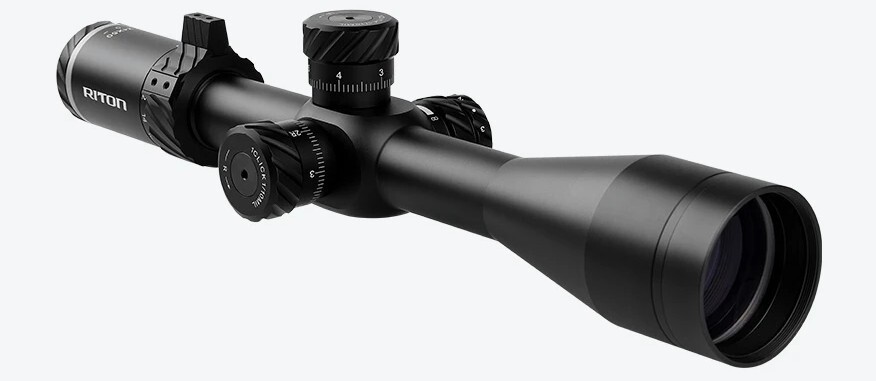
1. Riton Optics Conquer 6-24x50
 |
-
Type: Rifle Scope
-
Magnification: 6-24x
-
Objective Lens: 50mm
-
Features: First focal plane reticle, illuminated Mil-Dot, waterproof, fogproof.
-
Best For: Long-range precision shooting and hunting.
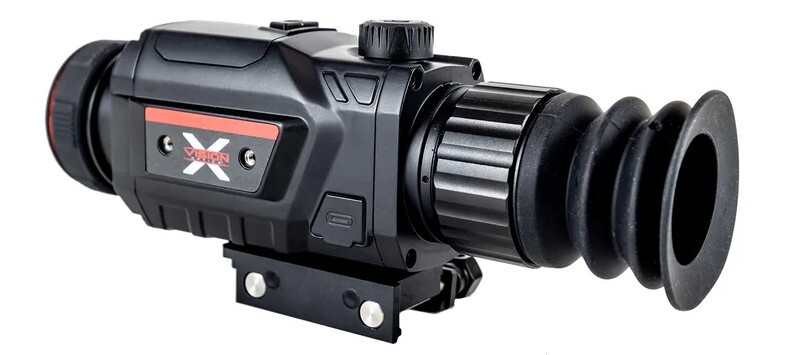
2. X-Vision Impact 350 Thermal Rifle Scope
 |
-
Type: Thermal Scope
-
Magnification: 2.5-10x
-
Objective Lens: 40mm
-
Features: High-resolution thermal sensor, multiple reticle options, waterproof.
-
Best For: Night hunting and low-light conditions.
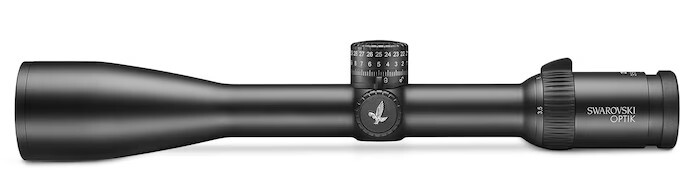
3. Swarovski Optik Z5 3.5-18x44 P
 |
-
Type: Rifle Scope
-
Magnification: 3.5-18x
-
Objective Lens: 44mm
-
Features: High-quality glass, illuminated reticle, waterproof, fogproof.
-
Best For: Serious hunters who demand the best optical clarity.
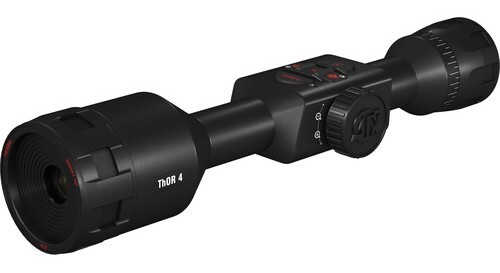
4. ATN Thor 4 Thermal Rifle Scope
 |
-
Type: Thermal Scope
-
Magnification: 1.25-5x
-
Objective Lens: 50mm
-
Features: HD thermal sensor, smart rangefinder, recoil-activated video, Bluetooth.
-
Best For: Night hunting and low-light conditions.
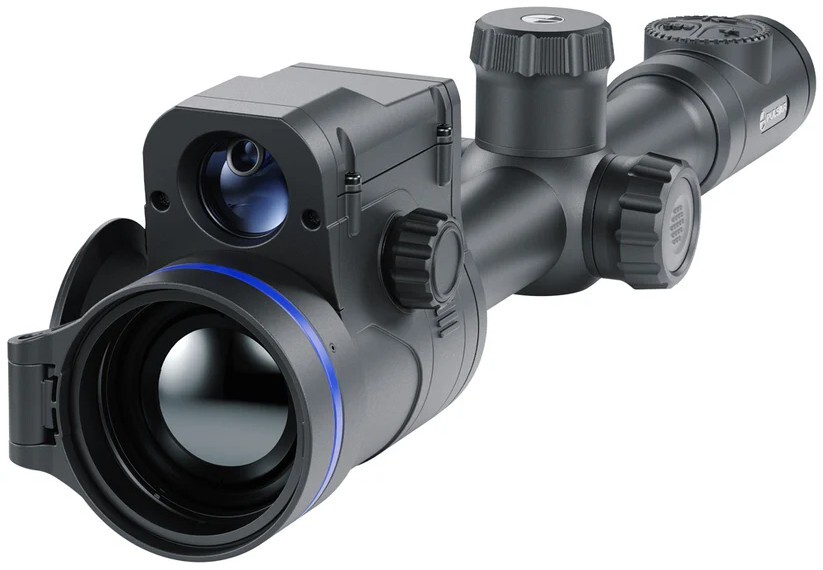
5. Pulsar Trail 2 LRF XP50 Thermal Riflescope
 |
-
Type: Thermal Scope
-
Magnification: 2-16x
-
Objective Lens: 50mm
-
Features: Built-in laser rangefinder, Wi-Fi streaming, video recording, waterproof.
-
Best For: Long-range thermal hunting and tactical applications.
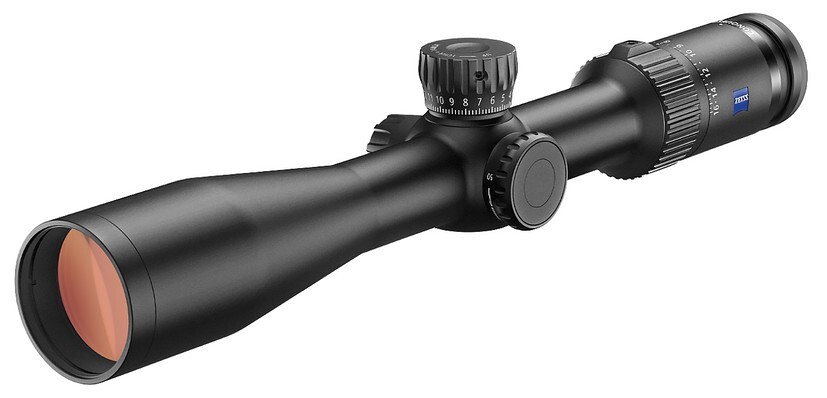
6. Zeiss Conquest V4 4-16x44
 |
-
Type: Rifle Scope
-
Magnification: 4-16x
-
Objective Lens: 44mm
-
Features: LotuTec coating, precision turrets, waterproof, fogproof.
-
Best For: Long-range hunting and precision shooting.
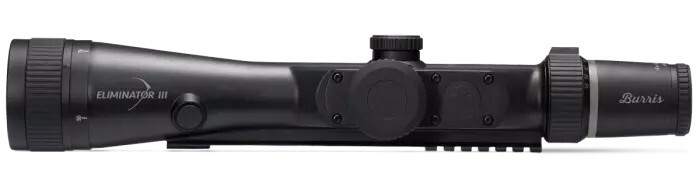
7. Burris Eliminator III LaserScope
 |
-
Type: Rifle Scope
-
Magnification: 4-12x
-
Objective Lens: 42mm
-
Features: Built-in laser rangefinder, ballistic calculator, waterproof, fogproof.
-
Best For: Hunters who want an all-in-one solution for long-range shooting.
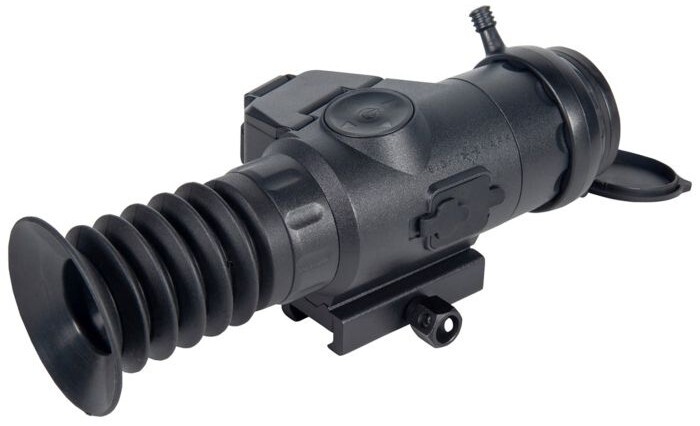
8. Sightmark Wraith 4-32x50 Digital Night Vision Scope
 |
-
Type: Night Vision Scope
-
Magnification: 4-32x
-
Objective Lens: 50mm
-
Features: HD digital night vision, video recording, waterproof, fogproof.
-
Best For: Night hunting and low-light conditions.
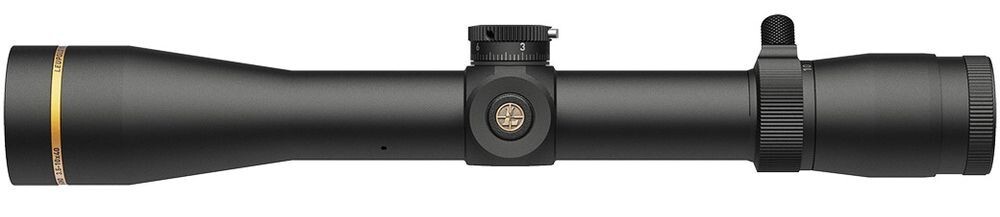
9. Leupold VX-3i 3.5-10x40mm
 |
-
Type: Rifle Scope
-
Magnification: 3.5-10x
-
Objective Lens: 40mm
-
Features: Twilight Max Light Management System, waterproof, fogproof, shockproof.
-
Best For: Big game hunting in low-light conditions.
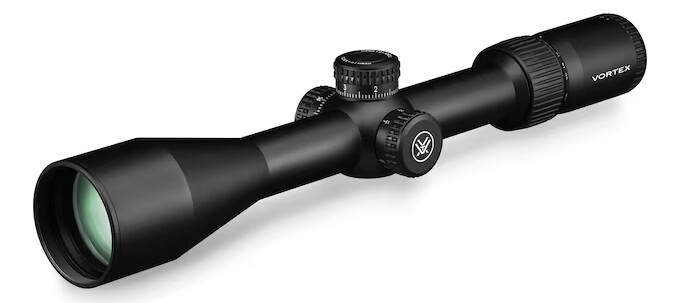
10. Vortex Optics Diamondback Tactical 6-24x50
 |
-
Type: Rifle Scope
-
Magnification: 6-24x
-
Objective Lens: 50mm
-
Features: Exposed tactical turrets, first focal plane reticle, waterproof, fogproof.
-
Best For: Long-range hunting and precision shooting.
Mounting and Zeroing Your Optic
Once you've chosen an optic, proper mounting and zeroing ensure precision. Follow these steps:
-
Choose Quality Scope Rings and Mounts: Match them to your rifle and optic size.
-
Use a Bore Sighter: Helps align your scope before live-fire adjustments.
-
Adjust Windage and Elevation: Start at 25 yards, then move to 100 yards to finalize zeroing.
-
Test at Your Hunting Distance: Ensure accuracy at the range you expect to shoot while hunting.
Common Mistakes When Choosing an Optic
-
Over-Magnification: More magnification isn't always better—it can limit FOV and add weight.
-
Ignoring Eye Relief: Short eye relief on high-caliber rifles can lead to painful injuries.
-
Buying Cheap Glass: Budget optics may work short-term but lack durability and clarity.
-
Not Considering Hunting Environment: Choose optics that match your terrain and lighting conditions.
Conclusion
Choosing the best optic for your hunting rifle is a decision that requires careful consideration of your hunting needs, the features of the scope, and your budget. By understanding the key factors such as magnification, objective lens size, reticle type, and durability, you can make an informed decision that will enhance your hunting experience.
Remember, the best optic is one that suits your specific hunting style and environment. Whether you're hunting big game in the mountains or tracking small game in dense forests, the right optic can make all the difference. Take the time to research, read reviews, and even test out different scopes if possible. With the right optic mounted on your rifle, you'll be well-equipped to make accurate, ethical shots in the field.