
Range Day Efficiency: The Case Setup That Saves 30 Minutes Every Trip
Feb 27th 2026
A range trip should feel simple. Yet small delays stack up fast. You hunt for ear pro and dig for a tool. You realize a mag is the wrong type. Range day efficiency starts with a case that works the same way, every time. This article shows a setup you can copy, then keep. The biggest delays often come from mismatched gear. You bring a mount tool that does not fit. You pack mags that do not run in your rifle. You show up with a case that catches on your charging handle. Those problems are not range problems. They are planning problems.
Prevent Time Waste by Matching Gear to the Rifle Setup
Because efficiency starts before packing, match accessories to the rifle you actually shoot. Keep one sling for that rifle. Keep one optic tool for that mount. Keep one mag type, if possible. If you swap parts often, keep a small note card in the case that lists the correct sizes.
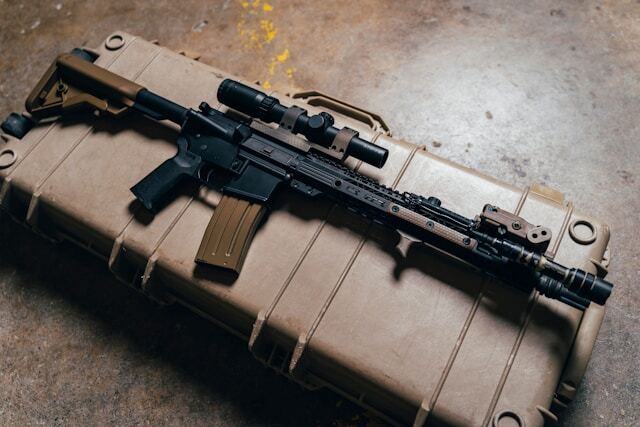
Still, the simplest fix is to start with a consistent platform. A beginner-friendly rifle that is easy to transport and maintain makes the whole loadout easier to keep steady. If you are in the stage of choosing your first AR-15, avoid buying parts that do not play well together. That choice supports range day efficiency because the case can stay packed for the same setup, trip after trip.
Pick the Right Case Style
First, choose a case that matches how you move. If you park close and shoot on a bench, a hard case can work. If you walk farther, a soft case with good straps often wins. If you carry both rifle and pistol gear, a range bag plus a rifle case can be faster than one giant container.
Next, look for structure. A case should stay open without collapsing. A bag should not fold into itself while you load mags. Zippers should glide. Handles should feel solid. Because access matters, pick a layout that lets you reach items without dumping the whole bag.
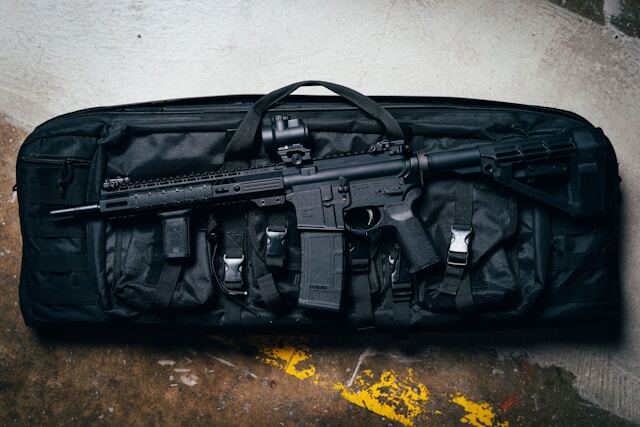
Also, avoid the common traps. Do not buy a case that is too tight for your rifle with its optic or light. Do not use a bag that turns into a junk drawer. Instead, aim for a case that fits your usual setup, with space for only the gear you use each trip. That choice saves time before you even step onto the line.
Build a Consistent Core Loadout
Then, build a core kit that stays in the case. Think of it as your baseline. If you change it every trip, you will forget something. If you keep it steady, you can pack in minutes.
Start with three zones. The first is your safety zone. Put eye protection, ear protection, and a chamber flag in the same pocket. Add a small first aid kit, even if you hope to never touch it. The second is your shooting zone. Keep mags, ammo, targets, and a stapler or tape together. The third is your support zone. Store a small tool roll, a bottle of lube, a rag, and spare batteries.
A consistent loadout saves you time in the long run.
Meanwhile, keep the zones simple. Use small pouches, not loose items. Label them with a marker. If a pouch is full of random parts, split it. Therefore, your brain learns one map. You stop asking, where is my timer, or where is my Allen key. That is real efficiency, because it cuts decision time.
Set Up the Inside of the Case for Fast Access
Next, set the inside layout so that the first use items sit on top. Put the ear pro and eye pro where your hand lands first. Place targets and tape in the same top pocket. Add a small trash bag or zip bag there, too. It keeps the case clean, and it prevents loose wrappers from taking over.
Then, define the main bay. Your rifle goes in one position. And your mags go in one position. Your ammo goes in one position. If you use foam, cut it clean and leave room for the rifle with its optic. If you use straps, tighten them so the rifle does not slide. Also, keep the tool pouch in a side pocket, not under the rifle.
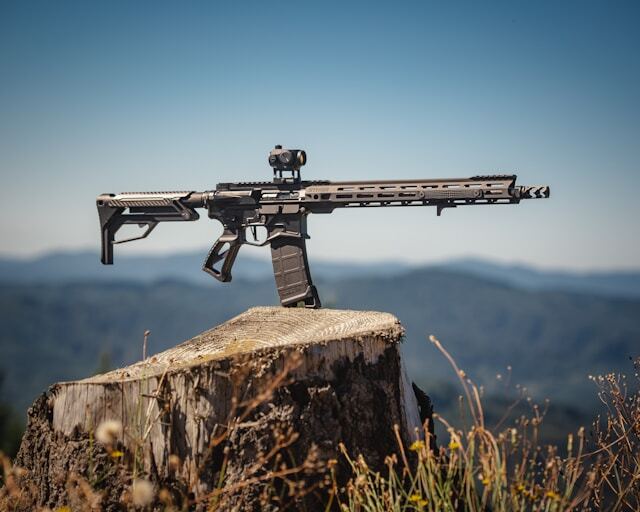
Instead, follow a one-hand rule. You should be able to grab a needed item without moving two other items. So, do not bury your stapler under ammo. Do not hide your lube behind a pile of targets. Afterward, run a quick test at home. Open the case. Grab ear pro. Grab mags. Grab targets. If you hesitate, move the item once, then lock it in.
Use a 5 Minute Post Range Reset
Afterward, reset the case right after you get home. A short reset beats a long repack. Dump trash. Wipe obvious grime. Restock targets and tape. Check batteries in the electronic ear pro. Refill your small lube bottle if it is low. Put empty mags in the same slot, so you can reload them later.
Plus, track what you used. Write one line on your phone. Note ammo type and rough count. Note anything that ran out. Note a tool you borrowed from a buddy. Because the note is short, you will do it. Because you do it, you will not repeat the same mistake.
Eventually, this habit becomes your system. Your case stays ready. Your trips stay smooth. Range day efficiency becomes normal, not a special event. You also shoot more, because setup and cleanup stop feeling annoying.
The Bottom Line
In short, a fast range trip is built at home. Pick a case that opens cleanly. Keep a core loadout that does not change. Match gear to your rifle so nothing fights your setup. Lay out the inside for first reach access. Do a five-minute reset after each trip. Range day efficiency shows up in the calm start, the clean bench, and the easy pack out.